Maximising the opportunity

Wadhal was commissioned to create a contemporary, design-led home that celebrates the history of its surroundings. We secured planning consent for a two-storey, two-bedroom detached dwelling on what was once a back land site, housing only garages. This maximised the site’s potential, introducing a high quality, modern new-build to Ruislip’s historic Manor Estate.

Embracing the Context

The design was always going to be limited by planning constraints; the house would have to follow the form of the surrounding housing: 1930's semi-detached and terraced homes typical of suburban London, recognised by hipped roofs and curved bay windows.
We embraced this context. Instead of rethinking the building’s shape, we focused our input on considered material articulation - clean, crisp detailing that elevates the design for modern living - and unlocking the most efficient layout.


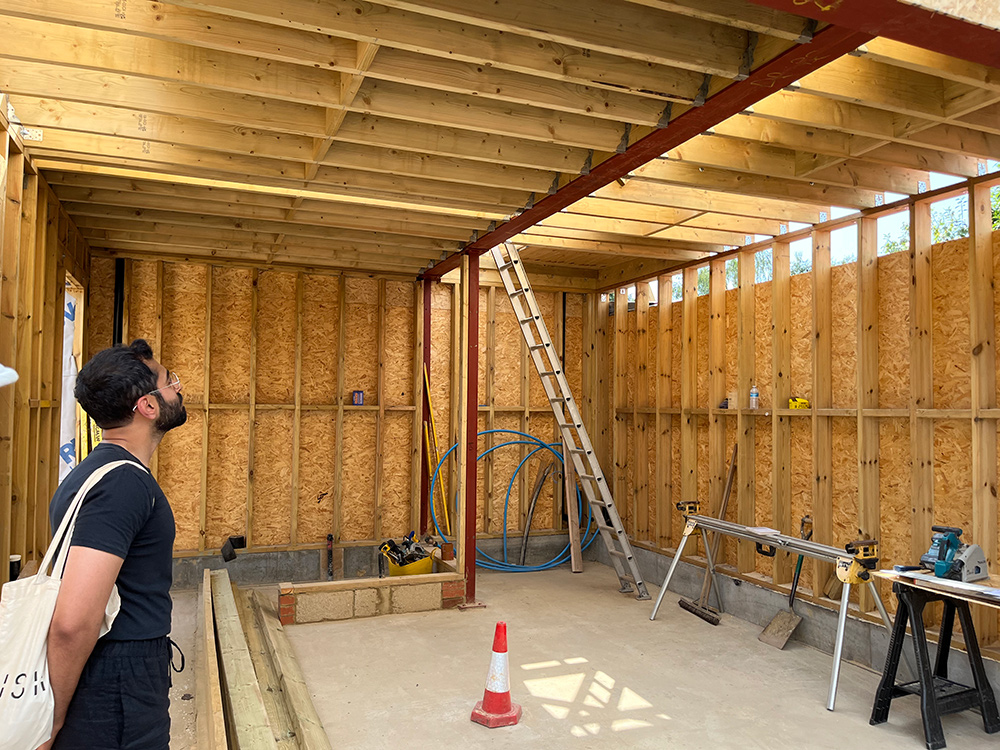
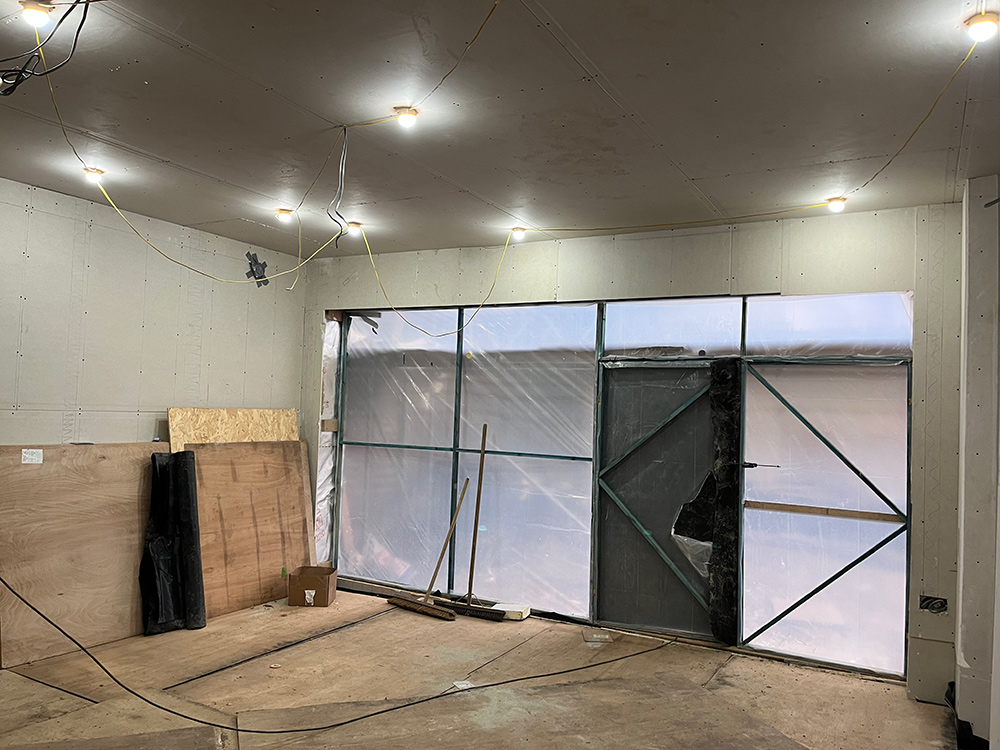
An open-plan living area at ground floor maximises the available footprint, avoiding unnecessary circulation spaces. While traditional suburban hipped roofs typically contain lofts, we chose to instead open up that space. This granted the upstairs bedrooms ample vertical volume through high ceilings, and an exposed timber structure. Opening up the roof also allowed us to reset the floor height - meaning the downstairs could benefit from higher ceilings, too. The side elevation of the house didn’t need to conform as strictly as the front elevation, allowing us to introduce generous floor-to-ceiling glazing. We also made the most of the bay window by specifying fewer casements with slimmer frames than its classic counterparts - bringing even more daylight into the living area.
 

Tiling

Introducing Patterns and Motifs

Echoing the form of the bay window, semi-circles are a motif found throughout the house; set into stained glass in the front door, forming paved patios at the entrance and in the back garden, seen in the shape of the island countertop, capping post on the fencing, and even in the brackets of the staircase’s handrail. Celebrating the interplay of patterns, textures and materials, the exterior is divided into thirds, with brick on the ground floor, render above, and clay tiles on the hipped roof.
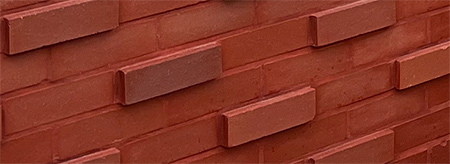
Traditionally, red bricks are deliberately contrasted by a lighter mortar. We selected a red brick with a matching mortar colour, instead introducing contrast by extruding the bricks in a quadrant pattern.
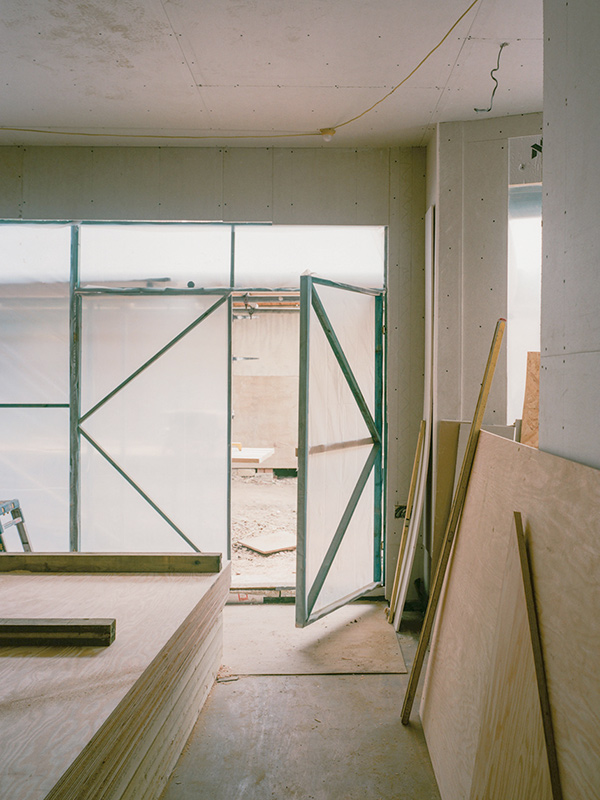
Gate

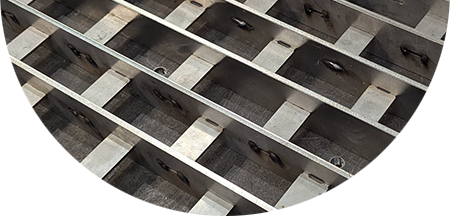
This quadrant motif is also replicated in the stainless-steel pedestrian gate, and in perforations in the overhang above the entrance door.
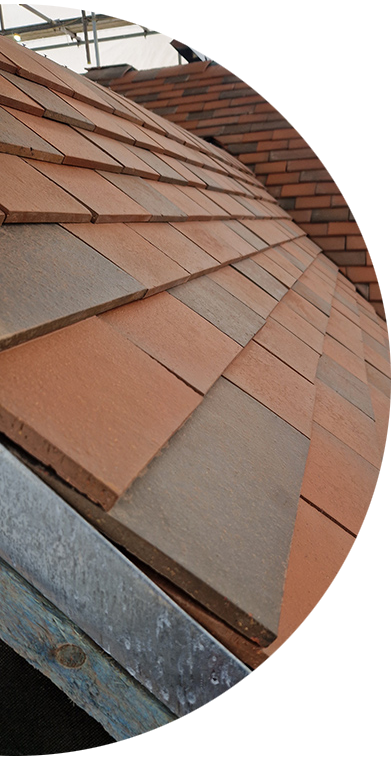
The hipped roof is characteristic of housing in the area. Rather than using a single colour, contrasting brown and red tiles result in an eye-catching roof pattern that creates an almost pixelated effect from afar.

We also opted out of traditional ridge and hip tiles, which can make the roof trim look clunky, and instead selected custom zinc flashings to line the roof. Concealed gutters and downpipes further add to the building’s neat exterior.
Inside, quarry tiles line the floors at ground level- extending the rich colours found on the home’s elevation to the interior.

Credit Lorenzo Zandri


Credit Lorenzo Zandri


Credit Lorenzo Zandri

Sourcing collaborators

Wade House’s considered detail intends to elevate the design for a contemporary context. Having the right partners makes all the difference in achieving that goal.
We were lucky to work with Daniel, an understanding and proactive local contractor, bearing with us through even the strangest of requests. We also carefully selected collaborators to help us take the design even further, including Pavilion Pavilion’s Jack Brindley, an Edinburgh-based artist who produced custom stained glass for the front door. This is a nod to the design heritage of the original Manor Estate houses, where the front doors were framed by decorative stained-glass panels. We also collaborated with Amir from Zedworks Design who fabricated the bespoke metalwork elements and Jacob Alexander, a London-based joiner who created bespoke entrance seating, kitchen cabinets, and storage. Each piece was made from Douglas Fir, the same timber used in the exposed roof structure of the upstairs bedroom.
Where possible, we also sourced materials locally. The clay roof tiles, quarry floor tiles, and brickwork were all manufactured in the same factory, ensuring a consistent material language across the project.

Working with likeminded clients

From start to finish, we were very fortunate to have a fantastic team of contractors, collaborators, and, of course, clients. It’s rare to come across a developer willing to take a chance on an emerging practice, and who understands the value of good design. Wade House is a testament to those values, and the belief that contemporary London homes can embrace their history, while maximising design potential for new generations.

Fahad Malik
Architect


Wadhal